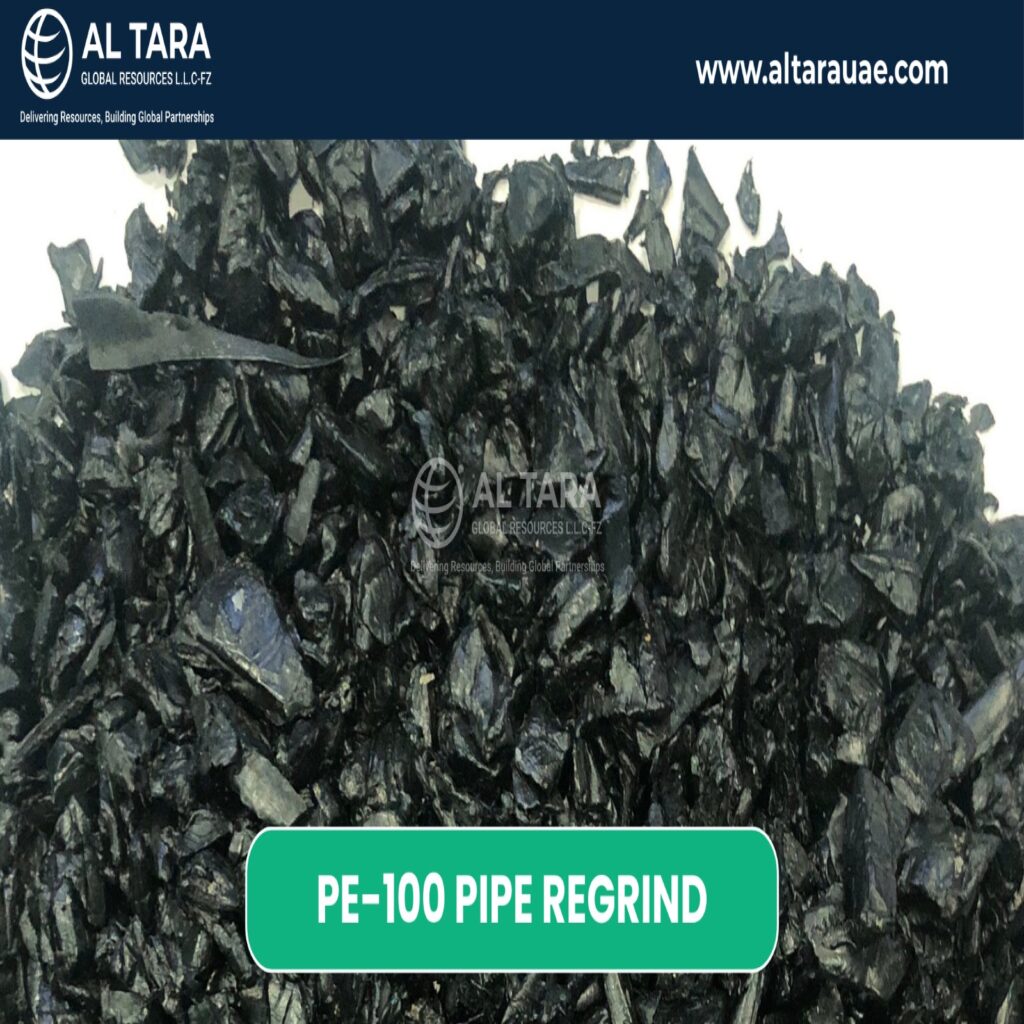
PE 100 pipe regrind is gaining attention in the UAE. Many manufacturers in Dubai and Sharjah now focus on recycle solutions. As infrastructure projects grow, demand for cost-effective materials increases. Therefore, recycled PE 100 becomes an attractive option.
PE 100 is a high-density polyethylene used in pressure pipes. It is strong and durable. However, factories generate scrap during production. Instead of wasting it, companies grind the material into reusable granules. This process supports sustainability and reduces raw material costs.
Applications of PE 100 Regrind
Manufacturers use PE 100 regrind mainly in non-pressure products. For example, they produce ducts, drainage pipes, and protective conduits. In some cases, they blend recycled material with virgin resin. As a result, they improve strength and maintain performance.
However, strict quality control is important. Suppliers test melt flow index, density, and tensile strength. If processing is correct, regrind-based material performs well in suitable applications.
Difference Between Virgin and Regrind PE 100
Virgin PE 100 offers maximum pressure resistance and long service life. In contrast, regrind-based PE 100 may have slightly lower performance. Therefore, most standards restrict recycled content in high-pressure water and gas pipes.
Market Trends and Demand in UAE
Market trends show rising demand for recycled plastic materials. Sustainability goals in Dubai and Sharjah encourage recycling. At the same time, price fluctuations in virgin polymer increase interest in regrind. Consequently, suppliers of PE 100 regrind see growing opportunities in the UAE market.
In conclusion, PE 100 pipe regrind supports recycle efforts and sustainability. It lowers costs. It reduces waste. And it meets the growing demand for recycled materials in the region.