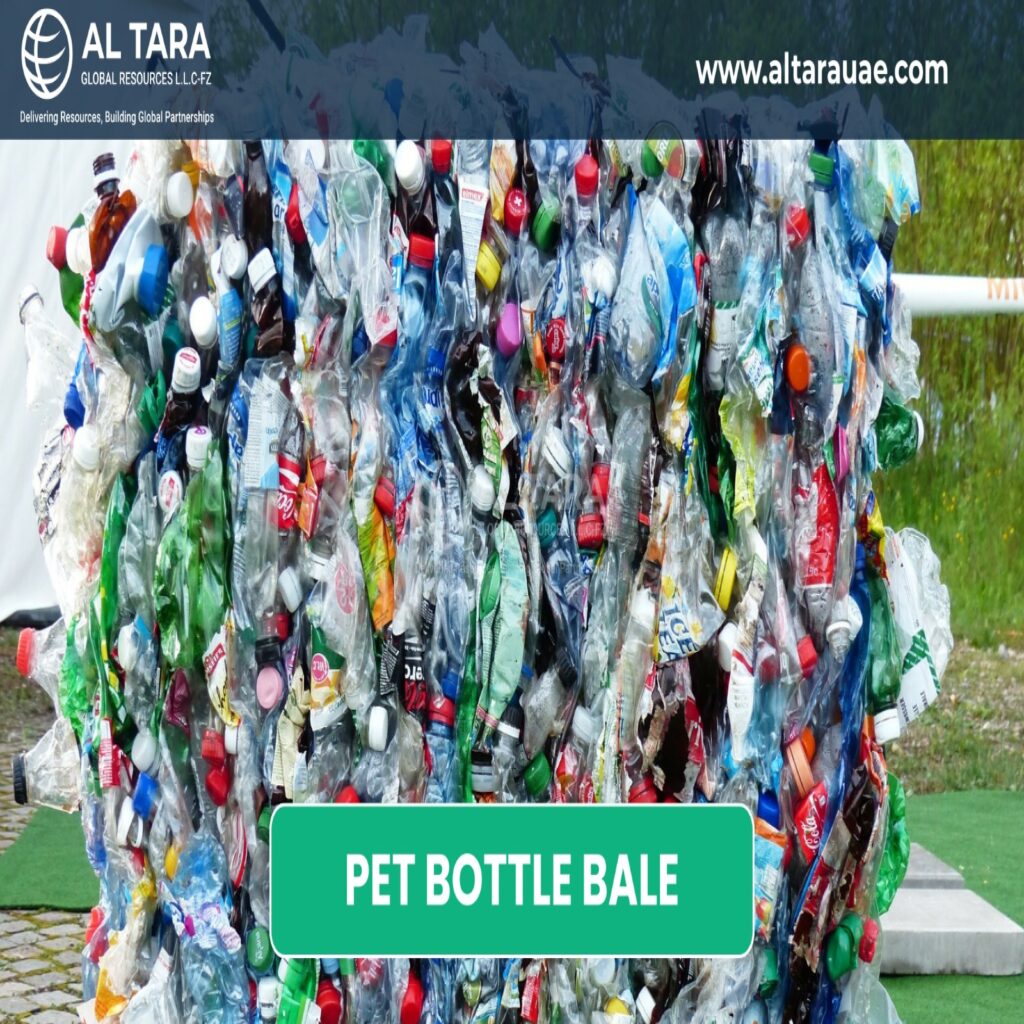
PET bottle bale scrap is an important raw material in the plastic recycling industry. Many recycling companies buy PET plastic bottle bale from waste collection centers and suppliers. As plastic use increases, demand for PET scrap also grows.
First, workers collect used plastic bottles from households, hotels, and factories. Then, they sort the bottles by color and type. After sorting, they compress the material into strong bales. These bales make storage and transport easier. As a result, recyclers can handle large volumes efficiently.
Clear PET bottle bale is the most valuable type. It offers better transparency and higher recycling quality. Therefore, many buyers prefer clear material for producing recycled pellets and fibers. However, mixed color bales are also available at a lower cost.
PET bottle bale price depends on several factors. Quality, contamination level, and moisture content all affect pricing. In addition, global plastic demand and oil prices influence the PET bottle bale price. Consequently, buyers should compare suppliers before making a purchase.
Choosing a reliable supplier is very important. A trusted supplier ensures consistent quality and proper bale weight. Moreover, good packaging reduces material loss during transport. This improves the recycling process and increases profit margins.
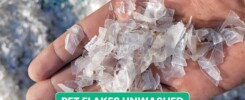
After purchase, recyclers cut the bales and start washing and shredding the bottles. Then, they convert the flakes into recycled PET pellets. Manufacturers use these pellets in packaging, textiles, and plastic sheets. In addition, recycling PET bottle bale scrap reduces landfill waste and supports sustainability goals.
In conclusion, PET bottle bale scrap offers strong business opportunities. With stable PET bottle bale price trends and growing demand, it remains a key material in the recycling market.