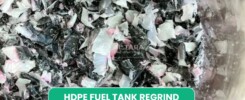
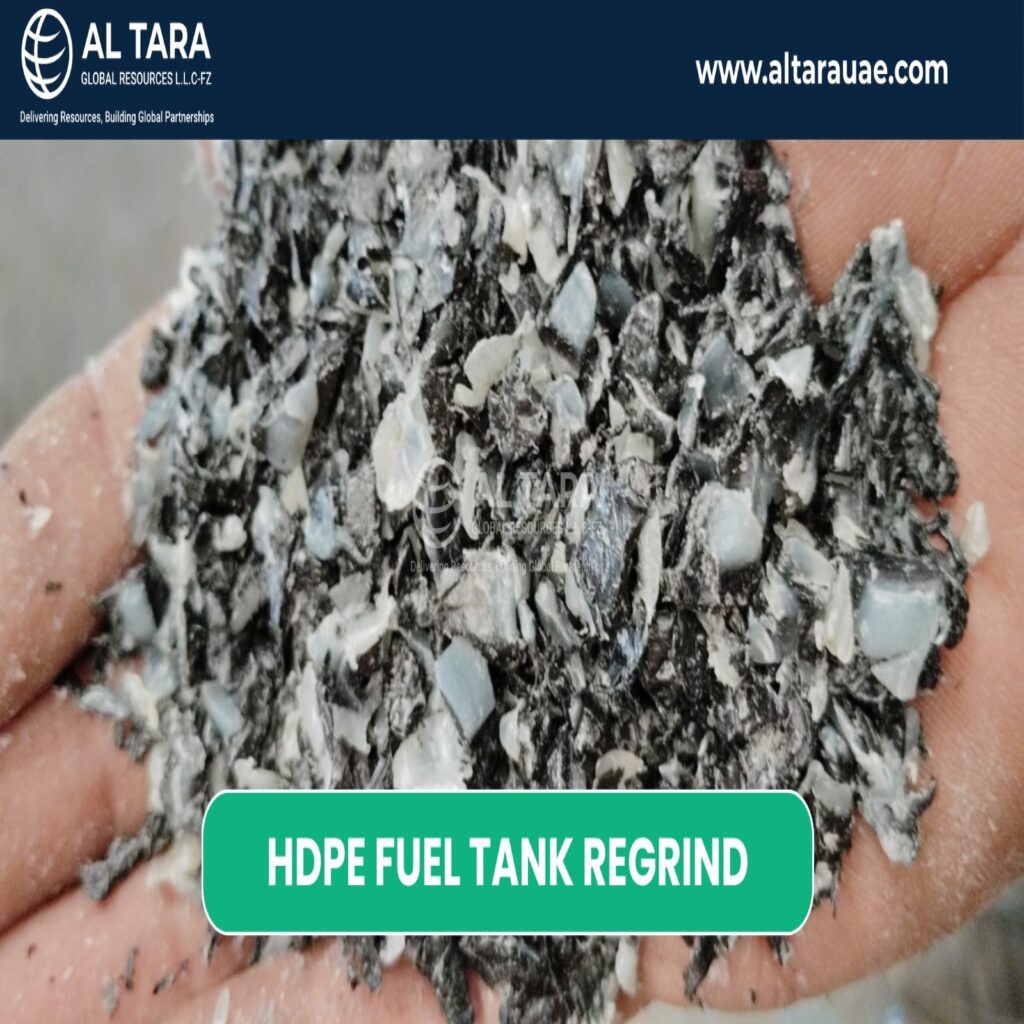
Recycling HDPE fuel tank regrind helps reduce plastic waste. Many industries in the United Arab Emirates focus on recycle solutions. As a result, demand for recycled plastic continues to grow.
Post-industrial HDPE scrap comes from manufacturing processes. Factories produce leftover material during production. This material is valuable for recycling. Therefore, companies collect post-industrial HDPE and process it for reuse.
First, recycling plants gather HDPE fuel tank scrap. Next, they remove metal parts and contaminants. This step improves material quality. After that, machines grind the plastic into small flakes. Subsequently these flakes become HDPE regrind, which manufacturers use as raw material.
Quality testing is essential in recycling. Recyclers test HDPE regrind for strength and purity. For example, they check melt flow index and contamination levels. If material meets standards, manufacturers use it in production. Consequently, recycled HDPE becomes a reliable resource.
The recycling market in cities like Dubai continues to expand. Scrap buyers purchase post-industrial plastic from factories. This process reduces waste and supports sustainability. Moreover, businesses benefit from cost-effective raw materials.
Scrap prices in the UAE depend on quality and market demand. Clean and well-sorted HDPE scrap usually sells at higher prices. Therefore, proper sorting increases value in the recycling market.
Environmental benefits of recycling are significant. Recycling reduces landfill waste and saves energy. It also decreases the need for virgin plastic production. As a result, recycling supports a circular economy.
Conclusion
In conclusion, HDPE fuel tank regrind recycling plays an important role in the UAE plastic industry. It transforms industrial waste into valuable resources. Quality testing ensures reliability. Furthermore, recycling promotes environmental sustainability and economic growth.
FAQs-HDPE Fuel Tank Regrind
1. What is HDPE fuel tank regrind?
It is recycled HDPE plastic processed into reusable flakes.
2. Where does post-industrial HDPE scrap come from?
It comes from manufacturing waste such as defective products and off-cuts.
3. How is HDPE fuel tank scrap recycled?
It is collected, cleaned, sorted, and ground into flakes.
4. What affects HDPE scrap prices in the UAE?
Prices depend on material quality, cleanliness, quantity, and market demand.
5. Why is recycling HDPE important?
It reduces waste, saves energy, and supports a circular economy.