HDPE natural scrap recycling is growing in the UAE. Many industries focus on recycle solutions to reduce waste. As a result, demand for scrap materials continues to rise in markets like Dubai and Sharjah.
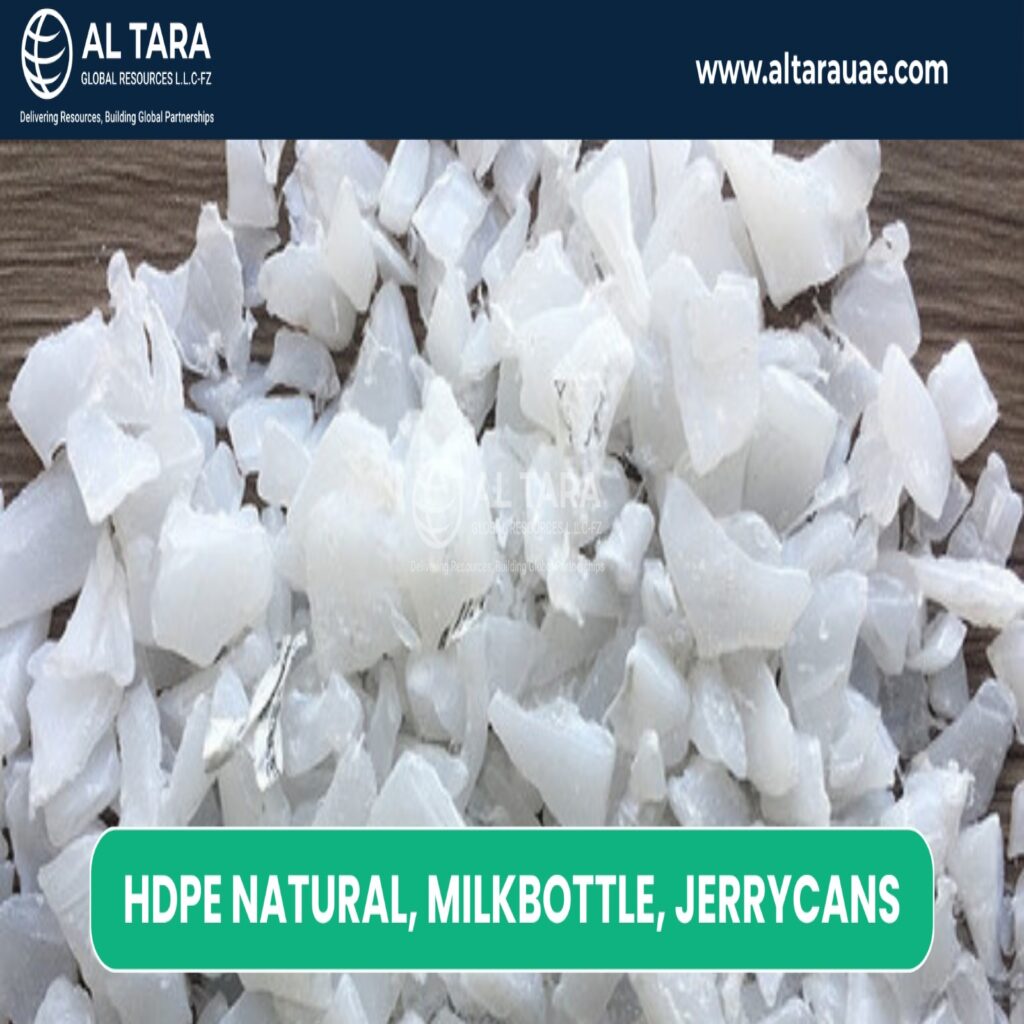
HDPE scrap comes from post consumer products. Common examples include milk bottles and jerrycans. These items are strong and durable. Therefore, recycling companies easily process them into reusable material.
Scrap buyers in the UAE purchase both post consumer and post industrial scrap. First, post consumer scrap comes from households. Meanwhile, post industrial scrap comes from factories and production units. Therefore, recycling companies consider both types of scrap valuable for recycling.
The HDPE natural scrap price in UAE depends on quality and market demand. Clean and sorted scrap fetches higher prices. In addition, scrap buyers prefer material with minimal contamination. Therefore, proper sorting increases value in the recycling market.
Recycling HDPE reduces waste and supports sustainability. It also saves energy compared to producing virgin plastic. Manufacturers use recycled HDPE to make pipes, containers, and packaging materials. As a result, recycled plastic meets industrial demand.
The recycling industry in Dubai and Sharjah continues to expand. Companies invest in modern processing technology. This improves efficiency and product quality. Consequently, recycled HDPE becomes a reliable raw material for production.
Conclusion
In conclusion, HDPE natural scrap recycling offers significant economic and environmental benefits. Moreover, scrap buyers in the UAE create new opportunities for sustainable manufacturing. As a result, milk bottles and jerrycans are transformed into valuable resources, strengthening the circular economy.
Currently, market trends show increasing demand for recycled materials. Furthermore, the HDPE natural scrap price in UAE remains competitive due to growing industrial interest. Therefore, businesses and recyclers can benefit from this expanding industry. To summarize, the continued growth of recycling supports both profitability and sustainability.
FAQs
1. What is HDPE natural scrap?
Recyclers collect it from used milk bottles, jerrycans, and other HDPE products.
2. What affects the HDPE natural scrap price in the UAE?
Quality, cleanliness, and market demand affect the price.
3. What is post-consumer HDPE scrap?
Households generate post-consumer HDPE scrap after using plastic products.
4. What do manufacturers make from recycled HDPE?
Manufacturers make pipes, containers, and packaging products.
5. Why do companies recycle HDPE natural scrap?
They reduce waste, save resources, and support sustainability.