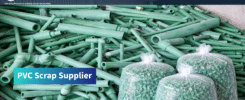
PPR pipe regrind is growing in the UAE. Many manufacturers in Dubai and Sharjah now focus on recycle solutions. As construction demand rises, companies look for cost savings. At the same time, they aim to improve sustainability.
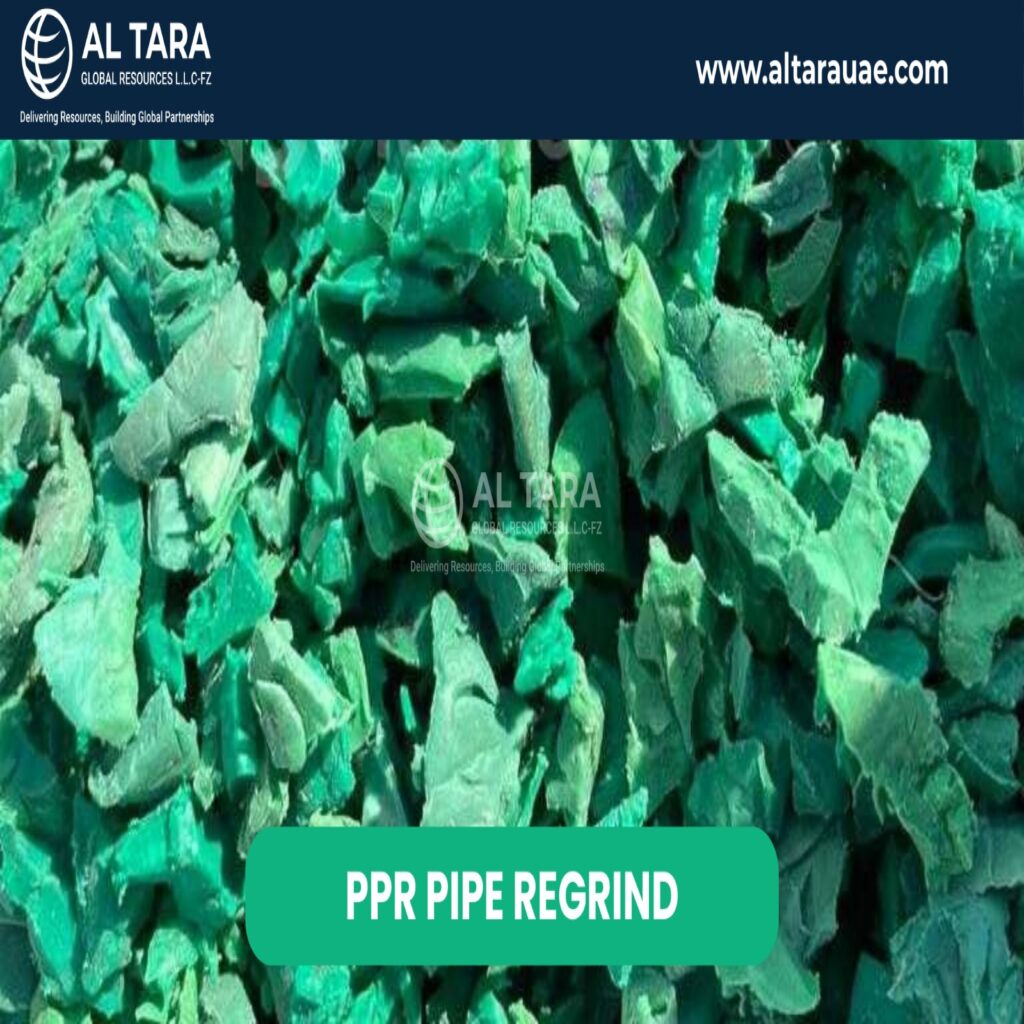
PPR regrind comes from pipe scrap and factory waste. Producers grind the material into small granules. Then, they reuse it in new products. This process reduces landfill waste. Moreover, it lowers raw material costs. Therefore, recycling supports both profit and environmental goals.
Sustainability Impact of PPR Recycling
PPR recycling reduces plastic waste. It also saves energy compared to producing virgin material. As a result, companies lower their carbon footprint. In the UAE, sustainability policies encourage recycling. Consequently, demand for recycled PPR continues to grow in Dubai and Sharjah.
Difference Between Virgin PPR and Regrind-Based PPR
Virgin PPR uses new raw material. It offers high strength and long service life. In contrast, regrind-based PPR uses recycled content. Quality depends on sorting and processing. Therefore, many manufacturers mix virgin and recycled material. This method improves durability and performance.
However, strict quality control is essential. Suppliers test melt flow rate and pressure resistance. If processing is correct, regrind-based PPR performs well in non-pressure applications.
Suppliers and Market Growth in UAE
Several suppliers in Dubai and Sharjah provide recycled PPR granules. Market trends show rising demand for recycled materials. Because of infrastructure growth, the UAE market continues to expand.
Conclusion
In conclusion, PPR pipe regrind supports recycle goals in the UAE. It reduces waste. It improves sustainability. And it meets the increasing demand for cost-effective piping solutions.
FAQs
1. What is PPR pipe regrind?
Manufacturers grind PPR pipe scrap into reusable plastic granules.
2. How do companies use PPR regrind?
They use it in new products and non-pressure applications.
3. Why do manufacturers use PPR regrind?
They reduce costs and support recycling and sustainability goals.
4. How do suppliers ensure PPR regrind quality?
They test melt flow rate and pressure resistance before supply.
5. Why is PPR regrind demand increasing in the UAE?
Demand increases due to construction growth and sustainability policies.