Understanding PET Bottle Recycling in the UAE
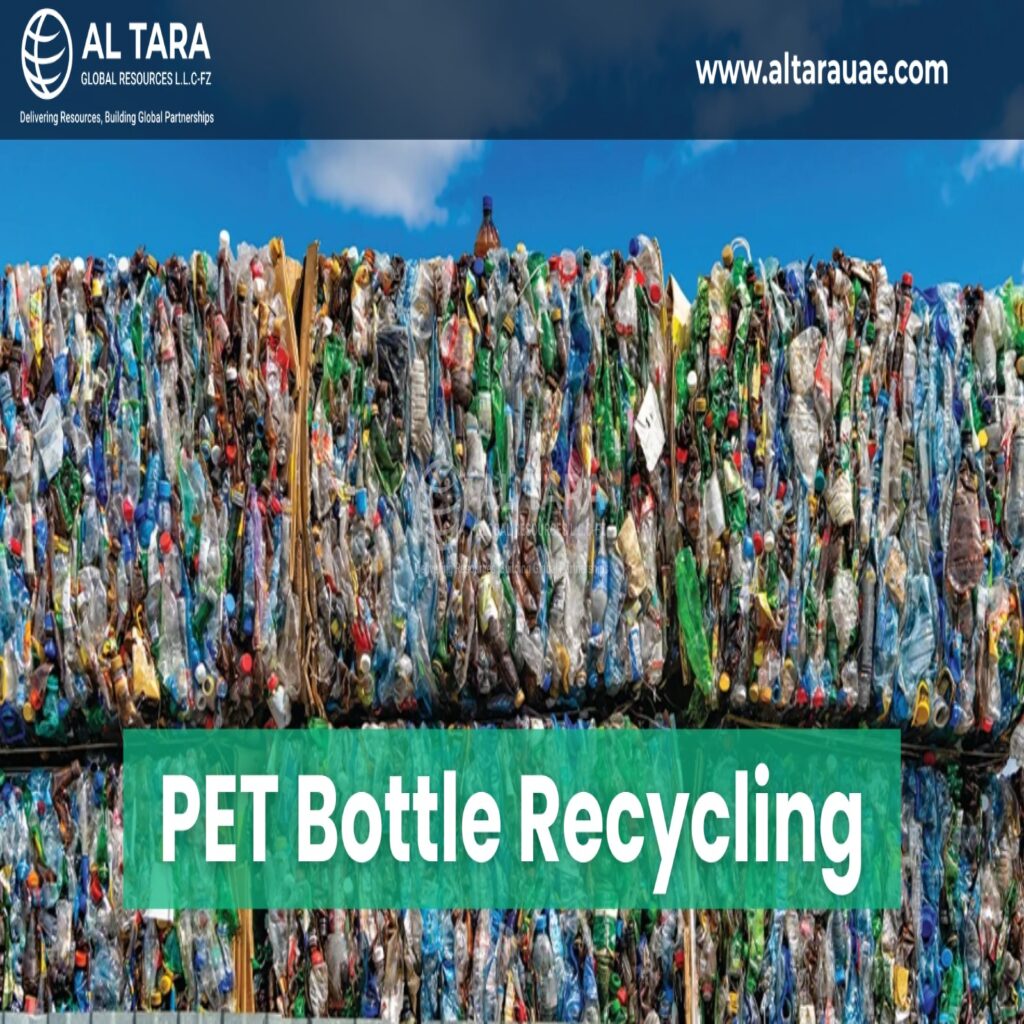
Plastic waste is a major concern across the UAE. Therefore, PET bottle recycling plays a key role in building a sustainable future. PET (Polyethylene Terephthalate) is light, strong, and fully recyclable. Manufacturers use it for beverage bottles and food packaging. When processed correctly, used PET bottles turn into raw materials for new products.
How PET Bottles Enter the Recycling Stream
First, consumers throw empty bottles into recycling bins or give them to scrap collectors. Then, recyclers gather bottles from homes, offices, hotels, shopping centers, and factories. After that, they transport the collected bottles to recycling plants. Clean collection matters because bottles without food waste or mixed plastics are easier to recycle. Also, it reduces processing costs.
Sorting and Material Separation
Next, workers or machines sort the bottles. They remove caps, labels, and rings since these are made from different plastics. Many plants use conveyor belts, air separators, and optical scanners to separate PET from other materials. Proper sorting ensures only high-quality PET moves forward. In addition, removing metals, PVC, and dirt keeps the material pure.
Shredding Bottles into Flakes
After sorting, machines crush the bottles into small pieces called flakes. Shredding reduces volume and prepares the plastic for cleaning. Then, the flakes pass through sieves to ensure uniform size. Some recyclers sell unwashed flakes for basic industrial use. However, most applications require clean, high-quality flakes.
Washing and Purification
Next, the flakes go through hot and cold washing. This step removes glue, oils, and tiny impurities. Clean flakes become stronger and clearer. After washing, the flakes dry and move on for further processing or packaging. As a result, manufacturers receive a material ready for high-quality production.
Turning Flakes into Granules
In advanced plants, washed flakes are melted and filtered to create PET granules, also called pellets. Granules have uniform size and are easier for manufacturers to handle. Companies use them to make:
- New beverage bottles
- Food containers
- Polyester fibers for clothing and carpets
- Plastic straps and sheets
- Industrial packaging materials
Environmental Benefits
Recycling PET bottles lowers landfill waste and reduces the need for new plastic. In addition, producing recycled PET uses less energy and emits less carbon compared to virgin plastic. Across the Emirates, more businesses and households adopt recycling practices. Reliable recyclers help create a circular economy by turning waste into reusable materials.
Looking Ahead
As awareness grows and technology improves, PET bottle recycling will continue to support sustainability in the UAE. Moreover, it reduces environmental impact while providing manufacturers with high-quality materials. By recycling PET bottles effectively, the UAE moves closer to a cleaner and greener future.