Introduction
Polycarbonate (PC) is a high-performance plastic known for its exceptional strength, clarity, and heat resistance. Commonly used in bottles, sheets, and engineering applications, it is one of the most valuable plastics for recycling and reuse. As sustainability becomes a global priority, PC Bottle Grinding has gained significant attention among manufacturers seeking to cut costs, reduce waste, and promote circular economy practices.
PC bottle scrap comes from used water bottles, containers, and industrial waste. Instead of being discarded, these bottles are collected, cleaned, and processed through grinding machines to produce reusable PC regrind. This recycled material is then supplied to industries for various manufacturing applications, supporting eco-friendly and cost-effective production.
What is PC Bottle Grinding?
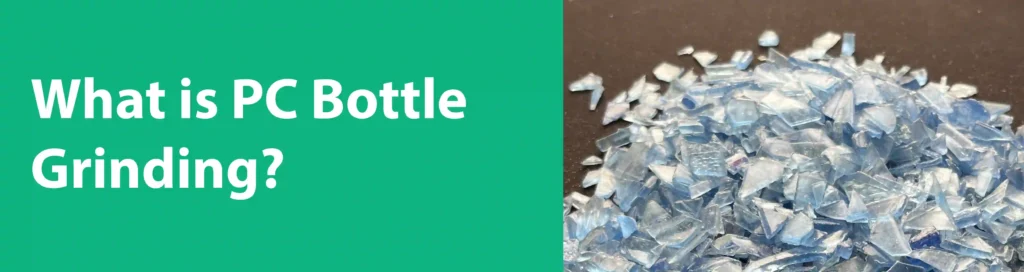
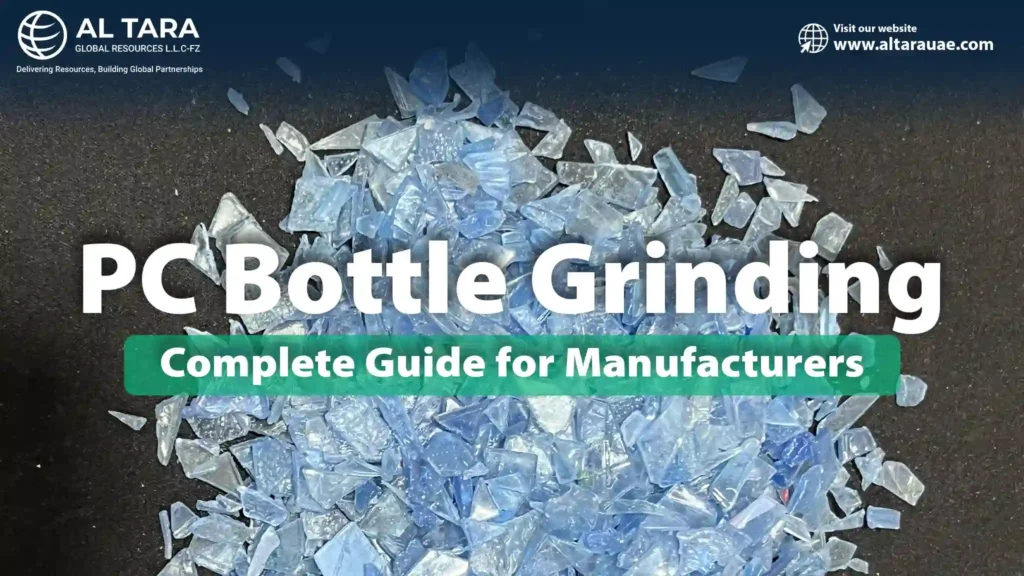
PC Bottle Grinding refers to the process of recycling used polycarbonate bottles by grinding them into small flakes or regrind. These flakes serve as raw material for producing new PC products or blending with virgin polycarbonate resin.
Source materials: water bottles, gallon jugs, containers, and discarded PC sheets.
Form: regrind or flakes, often cleaned and dried before reuse.
Color: usually transparent, light blue, or milky white depending on the original bottle.
Use: as a recycled plastic raw material for molding, extrusion, or compounding processes.
🚀 Buy & Sell PET Bottle Grinding in UAE 🚀
Key Features of PC Bottle Grinding Scrap
- High Strength & Toughness: Retains excellent impact resistance even after recycling.
- Transparency: Offers good clarity, ideal for applications needing a glass-like appearance.
- Thermal Stability: Can withstand high temperatures during reprocessing.
- Reusability: Easily blended with virgin PC resin without major loss in mechanical properties.
- Eco-Value: Promotes recycling, reduces landfill waste, and supports sustainable manufacturing.
Applications & Uses
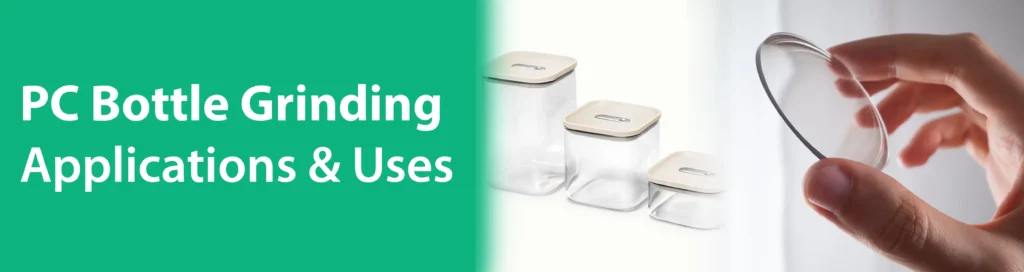
PC bottle regrind is widely used across industries that need durable, transparent, and heat-resistant materials. Common applications include:
- Automotive components – lenses, dashboards, panels.
- Electrical and electronic goods – switch housings, connectors, and covers.
- Packaging industry – reusable bottles, jars, and containers.
- Construction materials – sheets, panels, and protective barriers.
- Consumer products – eyewear lenses, helmets, and office supplies.
This makes PC bottle grinding scrap a valuable resource in both domestic recycling markets and international plastic raw material trading.
Processing Before Use
Before PC scrap is reused, it goes through several essential processing steps to ensure high quality and consistency:
- Collection: Gathering post-consumer and industrial PC bottles.
- Sorting: Separating polycarbonate bottles from other plastics like PET or PVC.
- Washing: Removing labels, dust, oil, and contaminants.
- Drying: Eliminating moisture to prevent degradation during reprocessing.
- Grinding: Converting bottles into uniform flakes or regrind.
- Pelletizing (Optional): Turning flakes into recycled PC granules for easier handling and molding.
- Blending: Mixing with virgin PC resin to balance performance and cost.
Benefits of Using PC Bottle Grinding Scrap
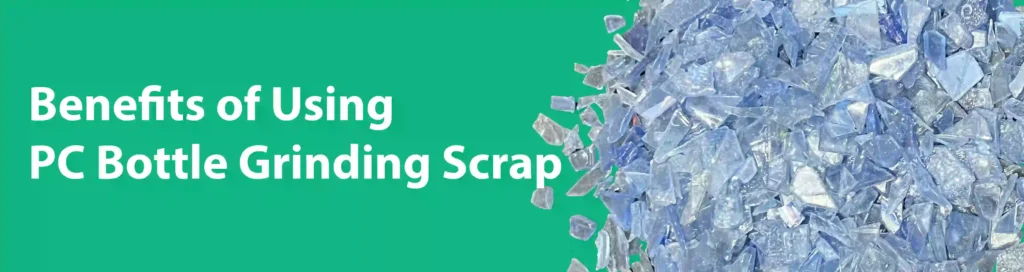
- Cost-Effective: Reduces raw material costs compared to virgin polycarbonate.
- Sustainable: Minimizes waste and supports environmental protection.
- High Performance: Maintains mechanical strength and durability.
- Versatile: Suitable for molding, extrusion, or compounding.
- Supports Recycling Industry: Encourages growth of recycling businesses and promotes a greener plastics economy.
Challenges to Consider
While PC bottle grinding offers many advantages, manufacturers should be aware of potential challenges:
- Contamination from mixed plastics can lower quality.
- Inconsistent color or clarity due to source variation.
- Moisture sensitivity must be dried properly before molding.
- Slight reduction in transparency after multiple recycling cycles.
Quality Checks for Buyers
Before purchasing PC bottle grinding scrap, always verify quality through essential parameters:
- Melt Flow Index (MFI): Indicates processing behavior.
- Moisture Content: Should be low for best molding results.
- Transparency & Color: Inspect for clarity and uniformity.
- Ash Content: Determines purity and absence of fillers.
- Odor & Contaminants: Check for cleanliness and absence of mixed materials.
Market Outlook
The global polycarbonate recycling market is expanding rapidly, with rising demand for recycled engineering plastics in Asia, Europe, and the Middle East. In India and the UAE, PC bottle grinding scrap is increasingly used by manufacturers in the automotive, packaging, and electronics sectors.
Key growth drivers include:
- Government initiatives promoting recycling and waste reduction.
- Growing demand for cost-effective recycled raw materials.
- Export potential in regions with high plastic consumption.
- Increasing awareness about circular economy practices.
Role in Environmental Sustainability
Using PC bottle grinding scrap significantly contributes to sustainable development by:
- Reducing Plastic Waste: Keeps polycarbonate bottles out of landfills.
- Lowering Carbon Footprint: Cuts emissions linked to virgin plastic production.
- Encouraging Recycling: Strengthens the global recycling supply chain.
- Supporting Circular Economy: Ensures materials are reused rather than discarded.
How to Choose the Right Supplier
When sourcing PC bottle grinding scrap, manufacturers should:
- Verify supplier credentials and recycling certifications.
- Request lab test reports for MFI and moisture content.
- Ensure clean, sorted, and washed material.
- Compare PC regrind price with virgin polycarbonate rates.
- Choose suppliers offering secure packaging like jumbo bags or drums.
Buying/Selling PC Bottle Grinding from the UAE, work with a verified local supplier: AL TARA Global Resources L.L.C‑FZ (Dubai) is listed as an international trading company specializing in plastic raw materials.
Buying Tips for Manufacturers
- Begin with a small batch to test material performance.
- Confirm moisture and MFI levels before processing.
- Store in a dry, ventilated space to avoid degradation.
- Mix with virgin PC resin for enhanced strength and transparency.
Conclusion
PC Bottle Grinding Scrap is a sustainable, high-quality recycled material that helps manufacturers lower costs and reduce environmental impact. By converting discarded polycarbonate bottles into reusable regrind, businesses can support eco-friendly production, extend the lifecycle of plastics, and strengthen the global recycling ecosystem. With proper sourcing, testing, and processing, PC bottle grinding offers a reliable path toward greener and more efficient manufacturing.
FAQs
1. What is PC Bottle Grinding?
It’s the process of grinding used polycarbonate bottles into flakes or regrind for recycling and reuse.
2. Can PC Bottle Grinding Scrap be reused in manufacturing?
Yes, after cleaning, drying, and pelletizing, it can be molded into new PC products.
3. What are the common uses of PC Bottle Grinding Scrap?
Automotive, packaging, electrical, and construction industries.
4. Why should manufacturers use recycled PC?
It’s cost-effective, eco-friendly, and reduces reliance on virgin raw materials.
5. How can I ensure quality when buying PC Bottle Scrap?
Check for MFI, moisture level, color clarity, and buy from certified recycling companies.
5. Where can I buy or sell PC bottle grinding scrap in the UAE?
You can buy or sell PC scrap directly through AL TARA Global Resources LLC-FZ, a verified supplier based in Dubai.